Women in Farming
Growing Futures: Women, Farming and Education
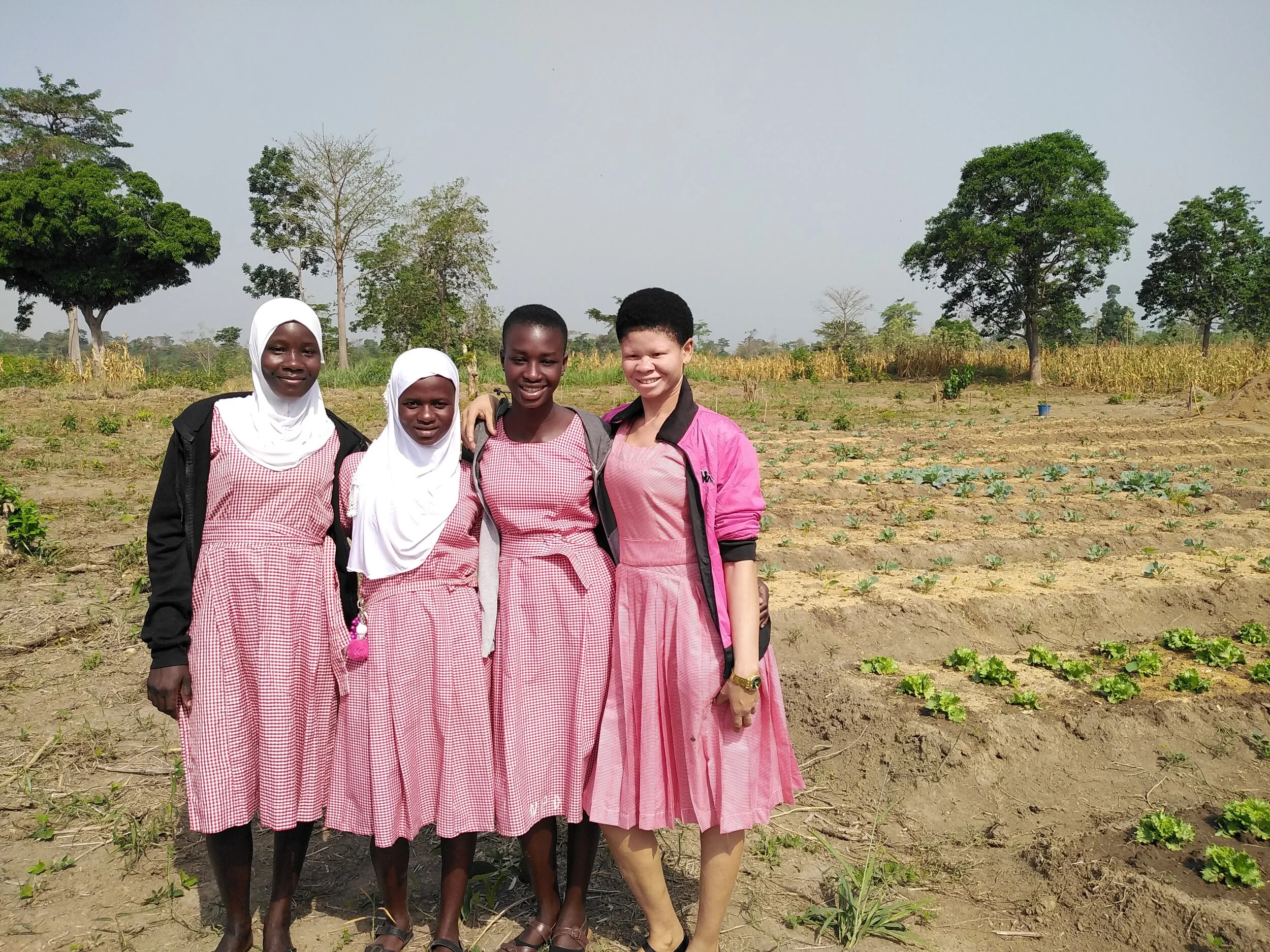
At Alma Mater Education, our farm is more than a source of food. It is a place where learning, livelihoods and community come together.
This year, as the world recognises the importance of women in agriculture, we see every day what that looks like in practice. Women at the heart of our farm are not only growing crops, they are supporting families, feeding students and shaping the future of their communities.
“My work helps feed the students and support my family”
Ama Bemah begins her day before sunrise.
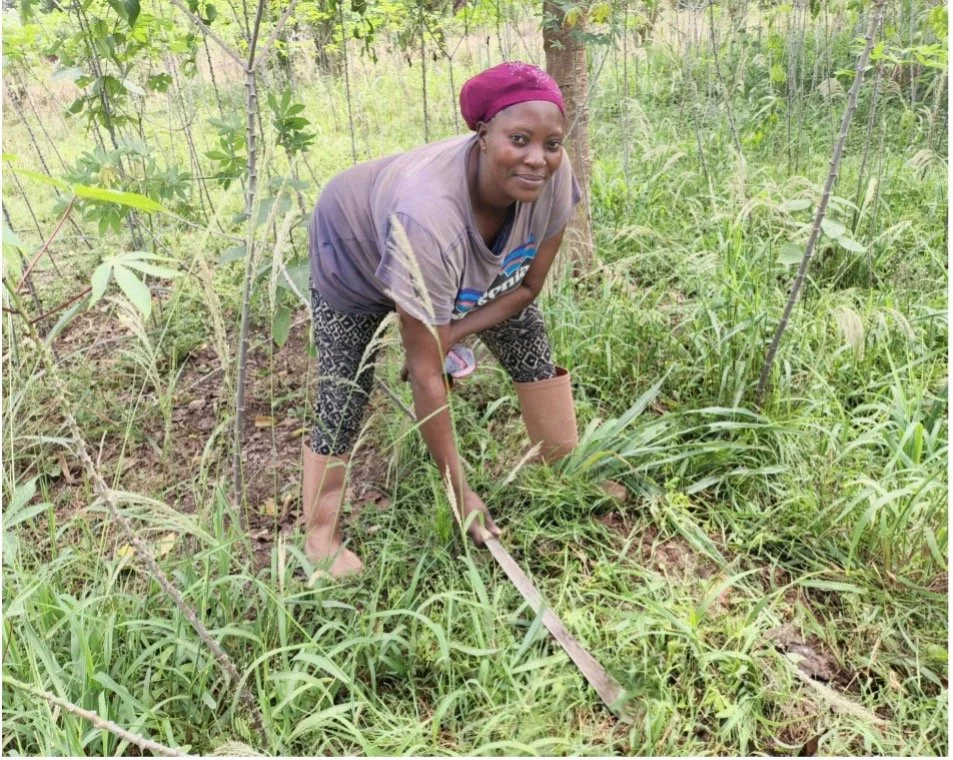
A widow and mother of six, she prepares her children for school before heading to the farm. There, she spends her mornings weeding, watering and caring for crops such as tomatoes, okra, maize and leafy greens. Later in the day, she helps with harvesting and often supports teachers when students come to the farm to learn.
For Ama, the work is personal.
She remembers a time when farming relied on chemical fertilisers and pesticides. Today, she uses compost and natural methods, helping to protect the soil and produce healthier food.
She is especially proud that the farm now produces enough vegetables to feed students regularly. The impact is visible. Children are nourished, ready to learn, and directly connected to the land that sustains them.
Working alongside students is what she enjoys most.
Watching them plant, care for crops and understand where their food comes from gives her a strong sense of purpose. It is not just about farming, but about passing on knowledge and responsibility.
For Ama, sustainable farming is about the future.
If the soil is not protected, the next generation will suffer. But if it is cared for, it can support families and communities for years to come.
“It feels like I am planting hope”
Yvonne Arhin’s story is different, but just as powerful.
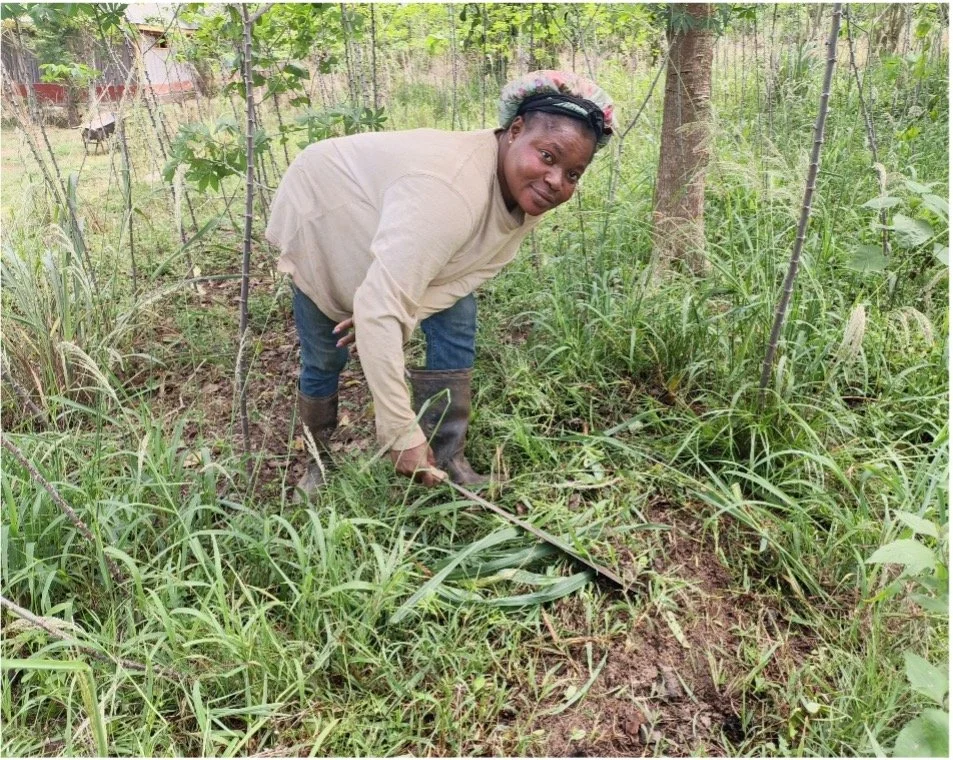
As a divorced mother of two, she joined the farm looking for steady work. Through Alma Mater Education, she found not only employment, but a way to contribute to something bigger.
Her day follows a similar rhythm. After preparing her children for school, she heads to the farm to tend maize, tomatoes, peppers and greens. She waters, weeds and checks the crops, later helping with harvesting and sometimes joining lessons with students.
For Yvonne, one of the most rewarding moments is seeing students in the field.
Their excitement when harvesting vegetables, learning to care for plants and understanding the environment reminds her that the farm is also a classroom.
Like Ama, she has moved away from chemical farming. Organic methods take more time and care, but they protect the land and produce healthier food.
Maize is her favourite crop. It is a staple across Ghana, and growing it brings a strong sense of contribution to both the school and the wider community.
For Yvonne, the meaning of the work goes beyond farming.
It represents independence, resilience and the ability to provide for her children. It is also about community. Women on the farm support each other, sharing knowledge, helping with childcare and encouraging one another through challenges.
She describes the impact simply.
The food she grows feeds students, and in doing so, supports their education. In her words, she is not just planting crops, but planting hope.
Farming, Education and Community Together
These stories reflect what the farm represents at Alma Mater Education.
Students learn through real experience. They see how food is grown, understand sustainability, and connect their education to the world around them.
At the same time, families benefit from employment, income and shared knowledge. The farm becomes a bridge between school and community.
This is what sustainable education looks like in practice. Not separate from daily life, but part of it.
Supporting Women, Supporting Futures
Women like Ama and Yvonne show what is possible when opportunity, education and community come together.
Their work feeds students, supports families and protects the land for future generations.
To everyone who supports Alma Mater Education, thank you.
Your support is helping to build a future where education and farming go hand in hand, and where women play a central role in shaping stronger, more resilient communities.
Talk to Us
If you’d like to know more about our farm and how you can support us to grow sustainable futures please contact:
Caroline Loden (CEO)
📧 caroline@almamatereducation.org
Thank You
A gift to support our students is more than a donation — it is a commitment to empowerment, sustainability, and community transformation. Together, we can ensure that every young person has the chance to learn, grow, and lead lasting change.
OR MAKE A DONATION DIRECTLY TO OUR BANK ACCOUNT
PAY IN GBP: HSBC account no: 62155907 / Sort code: 40-04-09
IBAN: GB15MIDL40040962155907
PAY IN EUROS: HSBC account no: 85194149 / Sort code: 40-12-76
IBAN: GB27HBUK40127685194149

Sponsor A Child
By donating just £35/$48 a month you can support all the costs of a child at our school. This includes all teaching, boarding and subsistence, sports and pastoral care.

Other Campaigns
We regularly run exciting new campaigns, such as our Menstrual Health Hygiene campaign. Do reach out or follow our socials to hear about our most recent campaigns.